
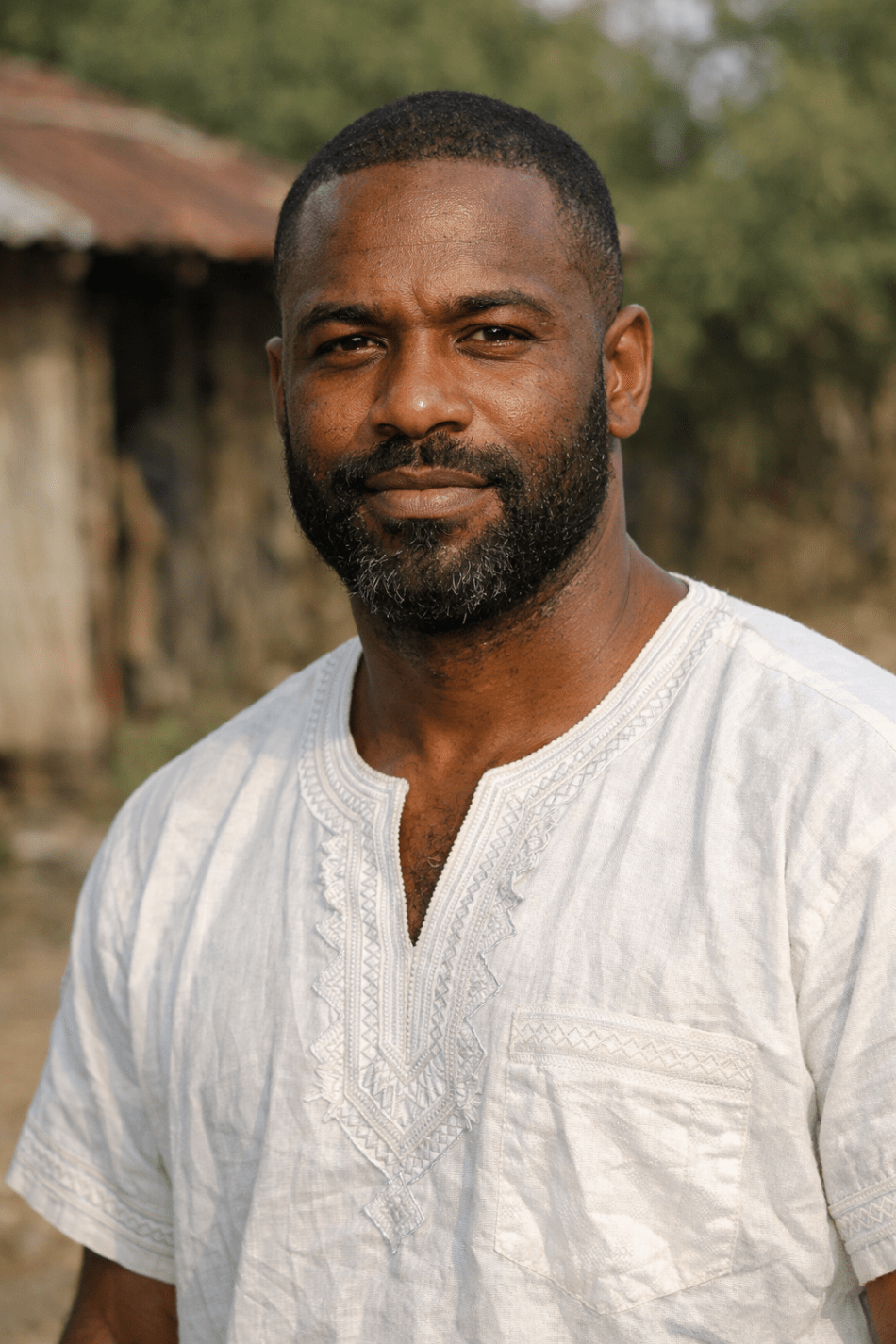
This past Friday I attended a funeral for my cousin who died at 48 years old from pancreatic cancer. He was also my favorite cousin and I’ll miss him dearly.
My cousin was a school teacher and basketball coach. Former students came to the funeral. Even some of his high school basketball teammates flew into town to pay tribute. His life was celebrated by family, friends, and colleagues, but the most obvious missing persons were his sons. Three young men who didn’t come to their father’s funeral.
I can only imagine that the relationship has to be pretty bad for children not to attend a parent’s funeral. And I can only imagine that it’s bad enough for the family and friends to be aware and understand why the children did not attend the funeral, but that’s not the case.
Nobody understood why Stew’s sons didn’t attend the funeral. Because everybody knew that Stew was a pretty good dad. He raised those boys as a single parent after his divorce while the boys’ mother got arrested once for selling cocaine.
One friend told a story about inviting Stew to an event years ago. Stew declined because he was going to his son’s football game. The friend teased him, saying he went to every game. Stew replied, “One day when you have kids, you’ll understand.”
That’s the sign of a devote and loving father. But his ex-wife is an example of the worst type of baby mama. She used what Stew loved most, his boys, as a weapon drenched in her bitterness.
So how does a man remembered publicly as a devoted father have none of his sons present at the end?
All I know is this: they were invited. Their mother, his ex-wife, told them not to come. Yes, they are adults capable of making their own decisions. But influence does not expire when a child turns 18. Family dynamics do not suddenly become neutral. Loyalty, resentment, and long-standing narratives continue to shape choices.
Stew knew the importance of fatherhood. He knew the importance of being a positive influence not only in his sons’ lives but also the lives that he coached basketball and the lives of the students that he taught. But seeing a good man who’s own kids that he raised not come to his funeral taught me multiple life lessons.
We often frame romantic decisions as how euphoric we feel. But who you choose to build a life with is not just emotional — it is structural. It affects your peace, your household, your children, your future relationships, and sometimes your legacy.
The woman or man you choose can be source of stability or become a source of stress and ruin. My cousin lived a joyful, social, deeply connected life. He had friends who looked up to him. He had a reputation for kindness. But his achilles heel came from his ex-wife. Love does not exempt us from consequences. Compatibility is not just chemistry; it is alignment of values, temperament, and conflict management.
No one owes you anything in this life — not gratitude, not loyalty, not even accuracy in how they interpret you. You can do your best, act with integrity, show up repeatedly, and still be mischaracterized or rejected. That reality is harsh, but true.
My cousin treated people well because that was his character, not because it guaranteed a return. The tributes at his funeral reflected the impact of that choice. He is remembered as a mentor, a coach, and a positive influence. Other people involved in the story will carry their own reputations, shaped by their own actions because bitterness leaves a trace just as surely as generosity does.
There is a common belief that children are the living extension of a parent’s life and values. Sometimes that is true. Sometimes it is not. Regardless of the adults children become, people know whether that child was raised in a good home or not, and know whether their good or bad behavior is a reflection on their parents’ or not. And while Stew’s sons allowed their mother to spread her bitterness into their thoughts, I know that those boys were raised by a loving father.
Proverbs 22:6 says, “Raise a child in the way he should go, and when he is old he will not depart from it.”
Many people read this as a guarantee. Experience suggests something more complicated. Children are shaped not only by how they are raised but by the emotional environment around them — by conflict between parents and the stories they are told about each parent.When parents are aligned, values are reinforced. When parents are at war, children often absorb the battle lines. My cousin raised his sons with involvement and care. But children do not just inherit behavior. They inherit perspectives. They inherit loyalties. They inherit grievances. Biology does not secure emotional continuity.
You are not going to please everyone, no matter how decent you are. My cousin was widely regarded as kind, patient, and steady. Yet even he left this world with fractured relationships.
Perfection is not available. Universal approval is not realistic.
There is freedom in accepting this. Do your best to treat people with respect. But do not exhaust yourself chasing the impossible task of making everyone happy. Some people will misunderstand you. Some will resent you. Some will carry stories about you that you cannot correct.
Fuck it.
It’s nice to be at least cordial with everyone, but peace sometimes requires accepting that every relationship can’t be repaired.
You can’t control how people remember you. You control how you live. History is full of individuals who are admired by some and condemned by others. Perception is subjective, emotional, and often resistant to evidence. There are people who are critical of Dr. Martin Luther King Jr. And there are people who love Adolf Hitler. But at the end of the day, Dr. King’s legacy is admired and celebrated with a federal holiday. While it’s illegal to even name your child Adolf Hitler.
My cousin’s sons absence was weird. But it did not erase the testimony of the dozens of people whose lives he influenced because legacy is not determined by a single relationship, a single grievance, or a single day. It is built across years of conduct.
Life is fragile, relationships are complex, and influence is never entirely ours to control.
And the measure of a life, in the end, is not who failed to attend your funeral — but how many people felt changed because you were here.
 ArmstrongTimes
0 comments on “Life Lessons at a Funeral.”