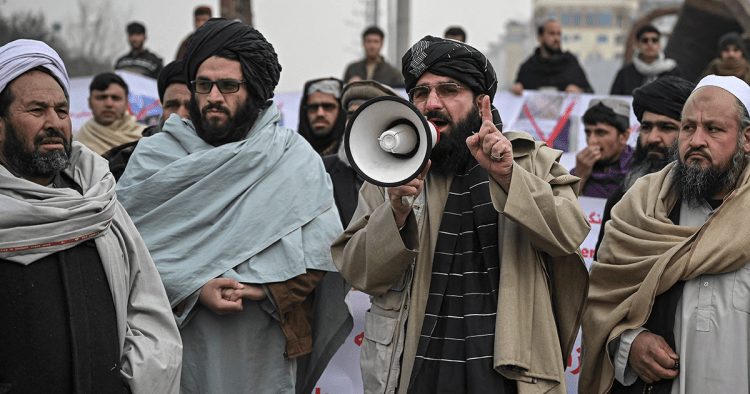

In the wake of the September 11 attacks, the United States launched what would become known as the “War on Terrorism.” The war had multiple fronts but focused primarily on Iraq and Afghanistan. The media coverage surrounding these wars has been extensive, but it often glosses over some important nuances. In particular, the relationship between the U.S. and the Northern Alliance in Afghanistan has not been adequately covered, leaving the American public with a skewed view of the people living in this part of the world.
The Untold Story of the Northern Alliance
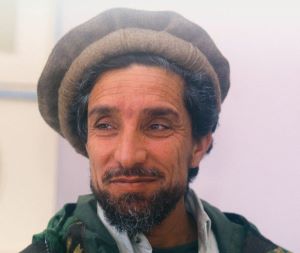
The Northern Alliance was a military front that fought against the Taliban and Al-Qaeda in Afghanistan. They became one of America’s key allies during the early years of the war in Afghanistan. The alliance was made up of various ethnic groups, including Tajiks, Uzbeks, and Hazaras. Most importantly, the Northern Alliance stood as a clear example that the majority of Afghans were against terrorism and opposed the oppressive rule of the Taliban.
The U.S. support for the Northern Alliance was crucial. Both parties had a common enemy, making their cooperation strategic. In addition to providing intelligence and logistical support, the U.S. conducted airstrikes that helped the Northern Alliance make significant territorial gains.
The Faulty Picture Painted by the Media
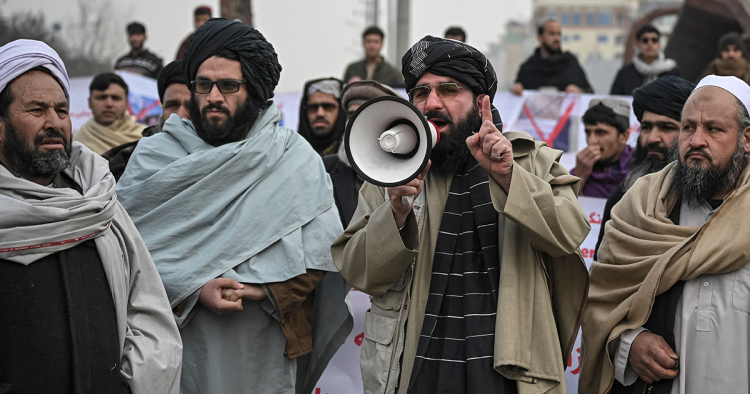
Unfortunately, articles and news stories about the War on Terrorism frequently missed the mark on this crucial relationship. This absence in coverage did a disservice to both Americans and Afghans. By not showing how the U.S. worked with local Afghan forces who were just as invested in fighting terrorism as the U.S. was, a narrative was perpetuated that cast all Muslims, and particularly Afghans, in the role of potential terrorists.
The Consequence of Omission
The lack of a complete narrative has had lasting effects on the perception of Muslims in America. For many years after 9/11, the association between Islam and terrorism became deeply ingrained in the American psyche. This was not just unfair; it was inaccurate. The presence of Muslim allies like the Northern Alliance should have served as a counter-narrative, but instead, their story was largely left untold.
The Responsibility Lies with Us
While it’s easy to blame the media for these omissions, the responsibility lies with all Americans to educate ourselves and question the stories we’re being told. The long-standing negative view of Afghans could have been mitigated had there been a more comprehensive narrative.
The story of America’s alliance with the Northern Alliance challenges a simplistic view of the War on Terrorism. While there is no denying that terrorists often claim to act in the name of Islam, it’s crucial to remember that they represent a tiny fraction of Muslims worldwide. The majority of Afghans, represented by groups like the Northern Alliance, were against the extremist ideologies that led to acts of terrorism. As we continue to discuss and dissect the complicated legacy of the War on Terrorism, it is our responsibility to include these overlooked perspectives. Only by doing so can we hope to foster a more nuanced and fair understanding of the people involved.
 ArmstrongTimes
0 comments on “Reexamining the Narrative: The Northern Alliance and the War on Terrorism”